
Government-Supported Senior Pet Owner Assistance Program and Affordable Pet Insurance Guide (2026): Covers Pet Food and Veterinary Costs
As pet care costs continue to rise across the United States, pet ownership can become an unbearable burden for seniors and low-income families. By 2026, a growing number of seniors will struggle to cope with soaring pet food costs, routine veterinary care expenses, and the financial strain of unforeseen emergencies. Fortunately, government-supported pet assistance programs and expanding insurance offerings of affordable pet coverage are helping to alleviate this pressure.
These initiatives aim to ensure** pets receive timely treatment and reduce daily expenses. These include food banks, financial aid, and low-cost veterinary clinics**, helping pet-owning families maintain their pets' health while providing financial stability and peace of mind for pet owners.
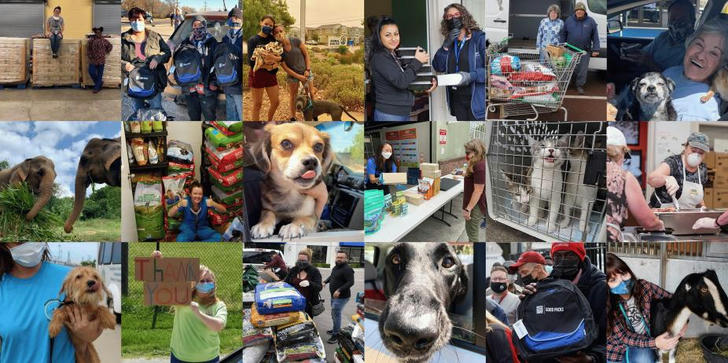
⚠️ Why Pet Insurance and Pet Benefit Plans Are Especially Important for Seniors and Low-Income Pet Owners
For seniors and low-income families living on a fixed income, unexpected veterinary bills can often be the final straw that breaks the camel's back in a pet-owning family relationship.
The Economic Value of Preventative Care
When household budgets tighten, preventative health measures are often the first to be cut: routine care such as annual checkups, vaccinations, and dental cleanings are repeatedly postponed. This short-term saving can lead to long-term health risks:
Undetected chronic diseases (such as kidney disease and diabetes) progress to advanced stages, with treatment costs increasing exponentially.
Worsening oral problems lead to systemic infections, significantly shortening a pet's lifespan.
Behavioral problems worsen due to a lack of early intervention, increasing the risk of abandonment.
Comprehensive and affordable insurance coverage ensures pets receive continuous preventative care, reducing the incidence of serious diseases at the source and alleviating the long-term financial burden on owners.
🐾It is worth noting that the vast majority of pet abandonment cases are not rooted in a lack of responsibility or emotional investment from the owner, but rather in pure financial hardship. Community welfare programs (such as low-income pet owner subsidies, veterinary clinic installment payment schemes, and non-profit emergency medical funds) effectively alleviate this conflict by building a multi-tiered support network:
Reduce the immediate financial burden of emergency medical care
Provide routine care and pet food supplies
Reduce pet abandonment decisions driven by financial anxiety
Building a Sustainable Pet Care Ecosystem
For people aged 55 and older, pet insurance and community assistance programs play a crucial buffer role in this context—they not only provide essential medical care for pets but also fundamentally maintain the precious emotional bond between humans and animals, preventing involuntary separation due to financial hardship.
🐾Government-Supported Pet Assistance Includes🐾
In 2026, the pet assistance program will be jointly supported by the state government and the federal government. A network composed of trustworthy non-profit organizations, animal welfare institutions and local partners is leading the trend of supporting elderly pet owners.
These programs may help pet owners address the following issues:
✅ Reduced veterinary service costs (covering essential veterinary services, including emergency and routine health checks)
✅ Vaccination support and parasite prevention
✅ Spaying/neutering cost assistance
✅ Reliable access to pet food through community food banks
✅ Essential supplies such as leashes, litter, and bedding (if available).
Priority enrollment for seniors and low-income households
⭐The American Society for the Prevention of Cruelty to Animals (ASPCA) mobile spaying/neutering service, which provides convenient spaying/neutering services to underserved communities via mobile veterinary vehicles.
This resource ensures that age and financial hardship do not prevent seniors from building strong bonds with their pets and maintaining proper care for them.
🐾 Veterinary Assistance: Alleviating the Burden of Medical Expenses
Veterinary costs are one of the main reasons why seniors abandon their pets. Sudden illnesses, chronic diseases, and injuries can quickly accumulate medical expenses, making it difficult for seniors to provide the necessary care. To address this issue, community organizations now offer targeted veterinary assistance programs:
How it works:
Seniors can apply for veterinary vouchers that can cover up to $300 in service fees annually.
Services include spaying/neutering, routine checkups, emergency treatment, and end-of-life care counseling.
The program partners with an extensive network of clinics to ensure easy access and covers all types of pets—dogs, cats, small mammals, birds, and reptiles (excluding exotic animals and farm animals).
Eligible applicants:
Seniors with limited income or facing unexpected financial hardship.
Depending on the institution, proof of residence and income may be required.
This support helps seniors maintain their pets' health without worrying about unaffordable medical expenses.
🥫 Pet Food Banks: Consistent Nutrition, Less Worry
Meeting a pet's daily nutritional needs is another common challenge for senior pet owners. With rising food prices, many seniors worry about having to cut back on essential expenses for themselves or their pets. Pet food banks, operated by animal organizations and community groups, provide a lifeline:
Key Features:
Pet food is distributed weekly or monthly at community center locations.
Supplies for dogs and cats, and (if available) supplies for small mammals and birds.
Other necessities such as cat litter, toys, and bedding are also provided, if in stock.
Eligibility:
Priority is given to low-income seniors, but others can apply based on need and stock availability.
Simple Application Process: Proof of address and income may be required.
The food bank program enables seniors to feed their pets, reducing the risk of malnutrition or abandonment due to financial hardship.
🧓 Pet Insurance Plans Recommended for Seniors and Low-Income Families (2026)
US Pet Insurance Options for Seniors & Budget-Conscious Owners
| Insurance Company | Plan Type | Avg. Monthly Cost* | Key Features | Best For |
|---|---|---|---|---|
| Embrace | Accident-Only | $15–$30 | Most affordable entry point; wellness add-on available (+$15–$25/mo); no upper age limit | Fixed-income seniors needing basic emergency coverage |
| Pets Best | Essential | $25–$45 | Founded by veterinarians; accepts pets up to 14 years; flexible deductibles ($100–$1,000) | Owners of senior pets (7+ years) |
| ASPCA Pet Health | Complete Coverage | $35–$65 | Covers hereditary conditions; 10% discount for AARP members; 14-day money-back guarantee | Seniors seeking comprehensive protection |
| Lemonade | Accident & Illness | $20–$40 | Fastest claims (often <2 mins via app); 5% multi-pet discount; no payout limits | Tech-comfortable owners wanting simplicity |
| Nationwide | Whole Pet | $40–$75 | No per-incident limits; covers exam fees; optional wellness rider | Owners wanting maximum coverage for complex conditions |
| Healthy Paws | Complete | $30–$55 | Simple single plan; unlimited lifetime payouts; 30-day waiting period | Those prioritizing straightforward coverage |
| Trupanion | Medical | $50–$90+ | Per-condition deductible (paid once per condition); direct vet pay available | Owners of breeds prone to chronic conditions |
| Figo | Essential | $22–$48 | pet health records app; 100% reimbursement option | Owners valuing digital tools & preventive support |
🛡️ Steps to Apply for Government-Funded or Partner Pet Assistance
Gather Required Documents: Proof of residence, proof of income (if needed), and basic pet information.
Find Local Resources and Contact Multiple Programs: Contact shelters and rescue organizations by phone or online.
Attend Scheduled Food, Supplies, or Veterinary Voucher Distribution Events
Communicate with Veterinarians: Many clinics are familiar with local or national aid funds and can guide you through the application process.
Aid funds and donations are limited, so applying early maximizes your chances of receiving assistance.
Pet insurance usually requires pets to be insured before old age or pre-existing conditions, but assistance programs may prioritize seniors, disabled individuals, or low-income families
❓ Frequently Asked Questions
When is the best time to insure?
The earlier the better—but it's always better to start than not at all.
Is pet insurance really worth it?
Especially important for seniors and families with stable incomes: It can help offset high medical costs due to illness and emergencies.
Does the government offer pet assistance programs?
Yes, many areas now offer comprehensive pet assistance resources.
When should pet owners apply?
Planning early helps access broader support and protection.
🐾Final Remarks
The government's increased investment in pet assistance and expanded insurance in 2026 will help alleviate the financial burden on pet owners while enabling them to better care for their beloved pets. Senior pet owners who need assistance with food, supplies, or veterinary care should apply as soon as possible. Timely assistance will ensure your beloved pet remains healthy, safe, and in the home where it belongs.