
Essential Assistance Programs for Senior Pet Owners in 2026: Covering Pet Food and Veterinary Costs
Caring for a beloved pet can feel overwhelming when finances are tight—especially for senior pet owners. Across the country, a growing number of seniors are struggling to keep up with the rising costs of pet food, routine veterinary care, and unexpected emergencies. Fortunately, specialized assistance programs and community-based initiatives are stepping in to ensure pets remain happy, healthy, and at home with their families.
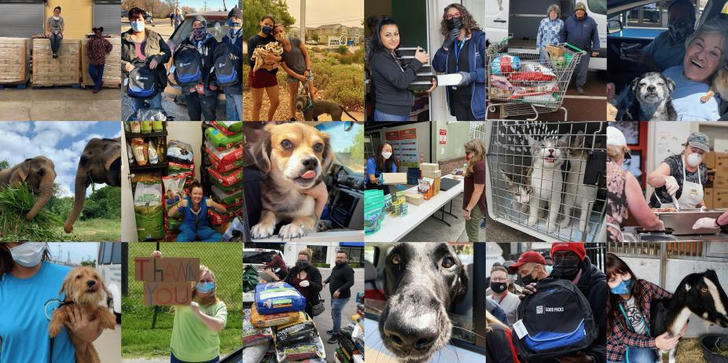
🌟 Program Highlights
In 2026, a network of trusted nonprofits, animal welfare organizations, and local partners are leading the way in supporting senior pet owners. These programs focus on:
Coverage for vital veterinary services, including emergencies and routine wellness checks
Reliable access to pet food through neighborhood food banks
Essential supplies like leashes, litter, and bedding (as available)
Priority enrollment for seniors and low-income households
This holistic approach ensures that neither age nor financial hardship stands in the way of a loving bond between seniors and their pets.
🐾 Veterinary Assistance: Reducing the Burden of Medical Costs
Veterinary expenses are a leading cause of pet surrender among seniors. Sudden illness, chronic conditions, and injuries can quickly add up, making it difficult to provide necessary care. To address this, community-based organizations now offer targeted veterinary assistance programs:
How It Works:
Seniors can apply for veterinary vouchers, covering up to $300 in services per year
Services include spay/neuter procedures, routine exams, emergency treatments, and end-of-life care consultations
Programs collaborate with a wide network of clinics to ensure easy access and a variety of pet types are covered—dogs, cats, small mammals, birds, and reptiles (excluding exotics and farm animals)
Who Qualifies:
Seniors with limited income or those facing unexpected financial hardship
Proof of residency and income qualification may be required, depending on the organization
This support helps seniors maintain the health of their pets without the anxiety of unaffordable bills.
🥫 Pet Food Banks: Consistent Nutrition, Less Worry
Meeting daily nutritional needs is another common challenge facing senior pet owners. With food prices rising, many seniors worry about cutting back on essentials for themselves or their pets. Pet food banks, operated by animal organizations and community groups, provide a lifeline:
Key Features:
Weekly or monthly pet food distribution at central community locations
Supplies for dogs, cats, and when available, small mammals and birds
Additional basics such as litter, toys, and bedding offered when in stock
Eligibility:
Priority given to low-income seniors, but others may qualify based on need and available inventory
Simple application process: proof of address and income may be requested
Food bank programs allow seniors to keep their pets well-fed, reducing the risk of malnutrition or surrender due to financial strain.
Explore Pet Insurance Options for Seniors & Low-Income Families
Low-income pet owners are in greater need of pet insurance coverage.
Economic hardship or steep veterinary costs shouldn’t force you to part with your beloved pet. -Many clinics provide discounted vet services, and there are dedicated programs to offset expenses for pet food, spay/neuter procedures, and clinical treatments. Even though seniors and low-income households may find it tough to afford pet insurance, there are budget-friendly choices available that you might not have explored yet.
Pet insurance is not a luxury—it’s a necessity. Federal Programs: Supporting Families in Caring for Their Furry Companions.
🧓 Dedicated Senior Support: Emotional Wellbeing and Practical Help
Pets provide vital emotional support for seniors. Recognizing this, specialized programs for older adults offer:
- Priority access to food, supplies, and veterinary care vouchers
- Guidance through the application process and ongoing support for pet care
- Partnerships with social service agencies to reach vulnerable populations—including those experiencing homelessness or medical crises
💬 Frequently Asked Questions
Q: How are veterinary assistance amounts determined for seniors in 2026?
A: Support levels are reviewed regularly to reflect changes in veterinary costs and household needs, with priority given to urgent or life-saving care.
Q: What if a senior doesn’t have stable housing?
A: Transitional living situations are considered. Program staff can coordinate with shelters or social workers to verify eligibility and ensure pets can still access food and medical care.
Q: Can pet owners request specific types or brands of food?
A: Supplies depend on donations and inventory. While special dietary needs are taken into account when possible, specific brands cannot be guaranteed.
📋 How to Apply
Gather documentation: proof of residence, income verification (if needed), and basic pet information
Contact the program by phone or online for pre-screening
Attend scheduled distribution events for food, supplies, or veterinary vouchers
For veterinary care, schedule appointments with partner clinics as directed
Assistance is limited by available funding and donations. Applying early ensures the best chance for support.
💡 At a Glance
Programs serve dogs, cats, birds, and small mammals—with additional support for seniors and vulnerable groups
Up to $300 in annual veterinary vouchers available for qualified seniors
Pet food banks operate regularly in partnership with animal welfare organizations and human food banks
Community partnerships help connect seniors with housing, transportation, and additional resources as needed
These programs create a reliable safety net, helping senior pet owners navigate tough times without sacrificing the companionship and comfort their pets provide.
⏳ Apply Early—Resources Are Limited
Demand for assistance is growing across the country. Senior pet owners needing help with food, supplies, or veterinary care are encouraged to reach out as soon as possible. Timely support helps keep cherished pets healthy, safe, and at home—right where they belong.