
Government-Supported Pet Aid Programs:for Seniors and Low-Income Families
Owning a pet brings endless joy, companionship—but it also comes with financial burdens, and veterinary care can put a strain on the budgets of seniors and low-income families. That’s where Assisted pet insurance plans and government-backed pet assistance programs come in handy—covering veterinary care, vaccinations, spay/neuter, and more!
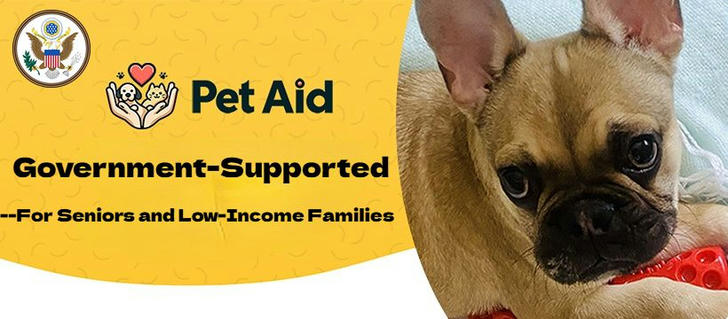
Assisted pet insurance plans will be available to low-income people and seniors. These life-saving resources can help families afford the care their pets need.
Why Pet Insurance Is More Important Than Ever?
More than 60% of households in the United States own at least one pet, with cats and dogs being the most popular choices. For seniors, pets are not only companions, but also an important support for mental health. However, the cost of keeping a pet is often underestimated. In addition to the daily cost of keeping a pet, medical expenses can quickly soar once the pet suffers an unexpected illness or injury.
For seniors with limited retirement income, this expenditure can be a huge burden, and even force them to make a difficult choice between love and reality. Having pet insurance has become an important tool to protect the health of pets and the peace of mind of owners.
What are some government-supported pet assistance programs?
Local and state-supported pet health programs
Some municipalities and state governments provide direct or indirect assistance for pet care by partnering with shelters and clinics. These programs may include:
Low-cost spay/neuter services: Many states offer voucher programs that cover most costs. For example, California's Pet Assistance and Control Program provides subsidies to local clinics.
Public Animal Control Partnerships: Some municipal-run shelters partner with local nonprofits to provide vaccinations, health checks, or pet food.
Veterinary Public Health Grants: In cities like New York and Chicago, health departments offer pet health programs tied to public health activities.
How to find these programs:
Check the website of your local animal control department, city council, or state health department. You can also call 211 to learn about local animal care resources.
Senior Pet Owner Assistance Programs
For older adults, pets are often critical for mental and emotional health. Recognizing this, several government-adjacent and nonprofit programs offer support:
Meals on Wheels (Pet Program): Many chapters offer pet food and basic vet care for the pets of homebound seniors.
Area Agencies on Aging: These local offices often distribute grants or partner with pet care nonprofits to support seniors with vet bills.
PALS (Pets Are Loving Support): In certain U.S. cities, this program offers pet food, vaccinations, and vet support to seniors and people living with disabilities or serious illnesses.
Low-Income Pet Owner Assistance Programs
If you're living paycheck to paycheck, even a routine check-up can be out of reach. Fortunately, many financial aid programs are tailored to low-income families:
RedRover Relief: Offers emergency veterinary grants (up to $200) for urgent, life-threatening situations.
Paws 4 A Cure: Helps cover costs for any non-routine medical treatment for cats and dogs, regardless of breed or age.
Brown Dog Foundation: Assists with life-saving vet care for pets when families are facing temporary financial crises.
Frankie’s Friends: Offers aid for pets needing surgery or major treatments (especially cancer care), often in partnership with veterinary hospitals.
Nonprofit Lifelines for Pet Health
National and regional nonprofits play a huge role in closing the financial gap, connecting pet owners with:
The Pet Fund: Covers chronic, non-emergency vet care for low-income families.
Best Friends Animal Society: Offers an extensive national database of pet assistance resources by state and category.
Spotlight: Budget-Friendly Pet Coverage Options
Not all pet owners have deep pockets — especially retirees or those on fixed incomes. Thankfully, some plans remain accessible:
✅ ASPCA Pet Health Insurance:
Offers accident-only coverage starting at ultra-low rates
Customized plans starting at less than $15/month
No penalty for enrolling older pets later in life
Covers alternative therapies like acupuncture or hydrotherapy
✅ PetFirst Pet Insurance
Short waiting periods for accident coverage (as little as 24 hours)
Includes lost pet advertising and reward in some plans
Optional dental care and wellness rider for everyday vet needs
🌟Smart Strategy: Skip routine coverage if your pet is healthy — prioritize emergencies and chronic illness. That way, you get essential protection while keeping monthly costs manageable (often under $20).
How to Apply for Government Pet Assistance or Affordable Pet Insurance
Applying for pet aid or financial coverage isn’t as complicated as it sounds. Here’s a step-by-step guide:
- Gather Your Financial Documentation
Proof of income (tax returns, Social Security, etc.)
Check Eligibility Requirements
Apply Online or Through a Partner Vet
Programs like RedRover Relief or Frankie’s Friends have online forms.
Frequently Asked Questions
Q1: What are government-supported pet aid programs?
A: These programs are public or government-funded initiatives designed to help seniors, low-income families, and vulnerable individuals afford basic pet care.
Q2: Who is eligible for pet assistance programs?
A: Eligibility typically includes:
Seniors on fixed incomes
Low-income households
Individuals receiving government benefits (SSI, SNAP, Medicaid, housing assistance)
Disabled individuals or veterans
Eligibility requirements vary by country, state, or local municipality.
Q3: What should I do if there is no program in my area?
A: If local government support is unavailable:
Contact animal shelters or humane societies
Ask local vets about hardship programs
Check community centers or churches
Look for national non-profits with regional grants
Many government-supported programs operate through local partners rather than central offices.