
Buy Here Pay Here Cars in the U.S.: What to Know About $99 Deals, Risks, and Real Costs
Overview
Buy Here Pay Here (BHPH) dealerships offer a form of in-house auto financing where the dealer sells the vehicle and also provides the loan. This approach is commonly marketed to buyers who struggle to qualify for traditional auto loans due to limited credit history or past financial issues.
Promotions such as $99 down or $99 monthly payments are frequently used to attract attention, but these offers often apply only to specific vehicles and come with important conditions.
What Is a Buy Here Pay Here Dealership?
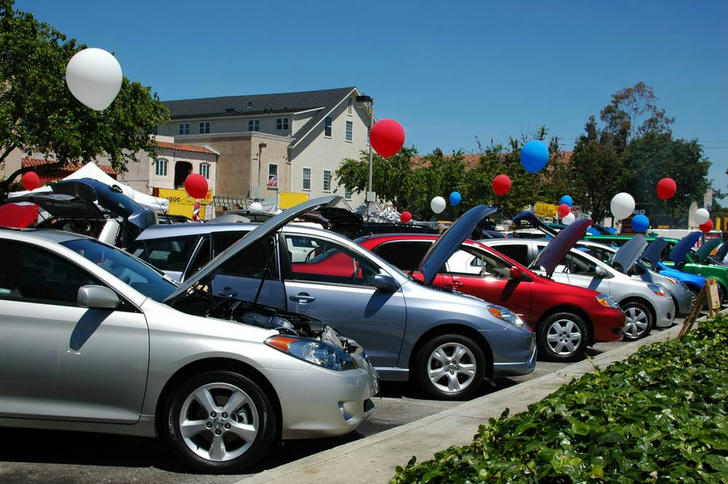
A Buy Here Pay Here dealership handles both the vehicle sale and the financing internally. Instead of borrowing from a bank or credit union, buyers make payments directly to the dealership that sold the car.
This structure reduces approval barriers but also gives the dealer more control over loan terms, payment schedules, and repossession policies.
Who Typically Uses Buy Here Pay Here?
Buy Here Pay Here financing is often considered by buyers who:
Have been declined by banks or credit unions
Are rebuilding credit after repossession or bankruptcy
Have limited or no established credit history
Need a vehicle quickly for work or daily transportation
For these buyers, BHPH may appear to be one of the few available paths to vehicle ownership.
How Buy Here Pay Here Financing Works
The typical Buy Here Pay Here process includes:
Selecting a used vehicle from the dealer’s inventory
Providing proof of income rather than relying heavily on credit scores
Agreeing on a down payment and repayment schedule
Making payments directly to the dealership
Payments are often required weekly or bi-weekly, which can significantly affect budgeting flexibility.
Which Dealers Offer $99-Down or $99-Month BHPH Deals?
Many national and regional Buy Here Pay Here operators structure promotions around low advertised payments. Local independent dealerships also use similar offers.
Well-known national or regional operators include:
CarHop — A national Buy Here Pay Here chain operating in many metro areas, known for fast approvals and in-house financing.
DriveTime — A large used-car retailer that offers internal financing and promotes low down payment deals at select locations.
J.D. Byrider — A franchise-based network focused on buyers with challenged credit histories.
America’s Car-Mart / The Car-Mart — A regional chain serving smaller and mid-sized markets with dealership-provided loans.
Local independent BHPH lots — Single-location dealers that frequently advertise $99 promotions; pricing, vehicle quality, and contract terms vary widely.
National chains can be useful for establishing a pricing baseline, but many true $99 specials originate from locally owned dealerships advertising specific vehicles.
Which Models Typically Appear in These Deals?
Buy Here Pay Here inventory tends to favor vehicles known for durability, simple maintenance, and widely available parts. Most $99-style promotions apply only to specific VINs rather than an entire model lineup.
Common vehicle categories include:
Sedans: Toyota Camry、Honda Accord、Nissan Altima、Chevrolet Malibu、Ford Fusion
Compact Cars: Toyota Corolla、Honda Civic、Nissan Sentra
Compact SUVs: Ford Escape、Chevrolet Equinox、Toyota RAV4
Selected Full-Size Trucks: Ford F-150、Chevrolet Silverado
Lower-Cost Domestic Options: Dodge Avenger、Chrysler 200
Advertisements usually apply to individual vehicles rather than all examples of a model, so eligibility should never be assumed without confirmation.
Common Risks and Downsides
Buy Here Pay Here financing carries several risks that buyers should carefully consider:
Higher interest rates than traditional auto loans
Limited inventory with higher mileage vehicles
Short grace periods for missed payments
Faster repossession timelines
Contracts that may not report positive payment history to credit bureaus
These factors can significantly increase financial pressure if payments become difficult.
How to Save Money and Reduce Risk
Although Buy Here Pay Here financing is more expensive, certain strategies can help reduce unnecessary costs:
Compare offers from multiple dealerships
Evaluate total loan cost rather than advertised payments
Confirm whether on-time payments are reported to credit bureaus
Choose a payment schedule aligned with stable income
Plan for refinancing once credit improves
Using Buy Here Pay Here as a short-term solution rather than a long-term plan can limit financial exposure.
Common FAQs
Are $99-down or $99-month deals always available?
No. These promotions typically apply only to specific vehicles and may be limited by location, inventory, and buyer qualifications.
Does Buy Here Pay Here require a credit check?
Usually dealers mean they don’t pull a traditional credit bureau report — they still verify income, job history, references and may check local repossession records.
Are Buy Here Pay Here cars more expensive overall?
While upfront costs may appear low, higher interest rates often result in higher total payments.
Can Buy Here Pay Here improve credit?
Only if the dealership reports on-time payments to credit bureaus. Many do not, so this should be verified before signing.
What happens if a payment is missed?
Late fees, penalties, or repossession may occur, sometimes with little notice depending on contract terms.
Final Takeaway
Buy Here Pay Here dealerships provide access to vehicles when traditional financing is unavailable. However, promotional pricing can mask higher long-term costs. Understanding dealer incentives, contract details, and vehicle limitations helps buyers make informed decisions and avoid costly surprises.